
 Chick-fil-A Cadre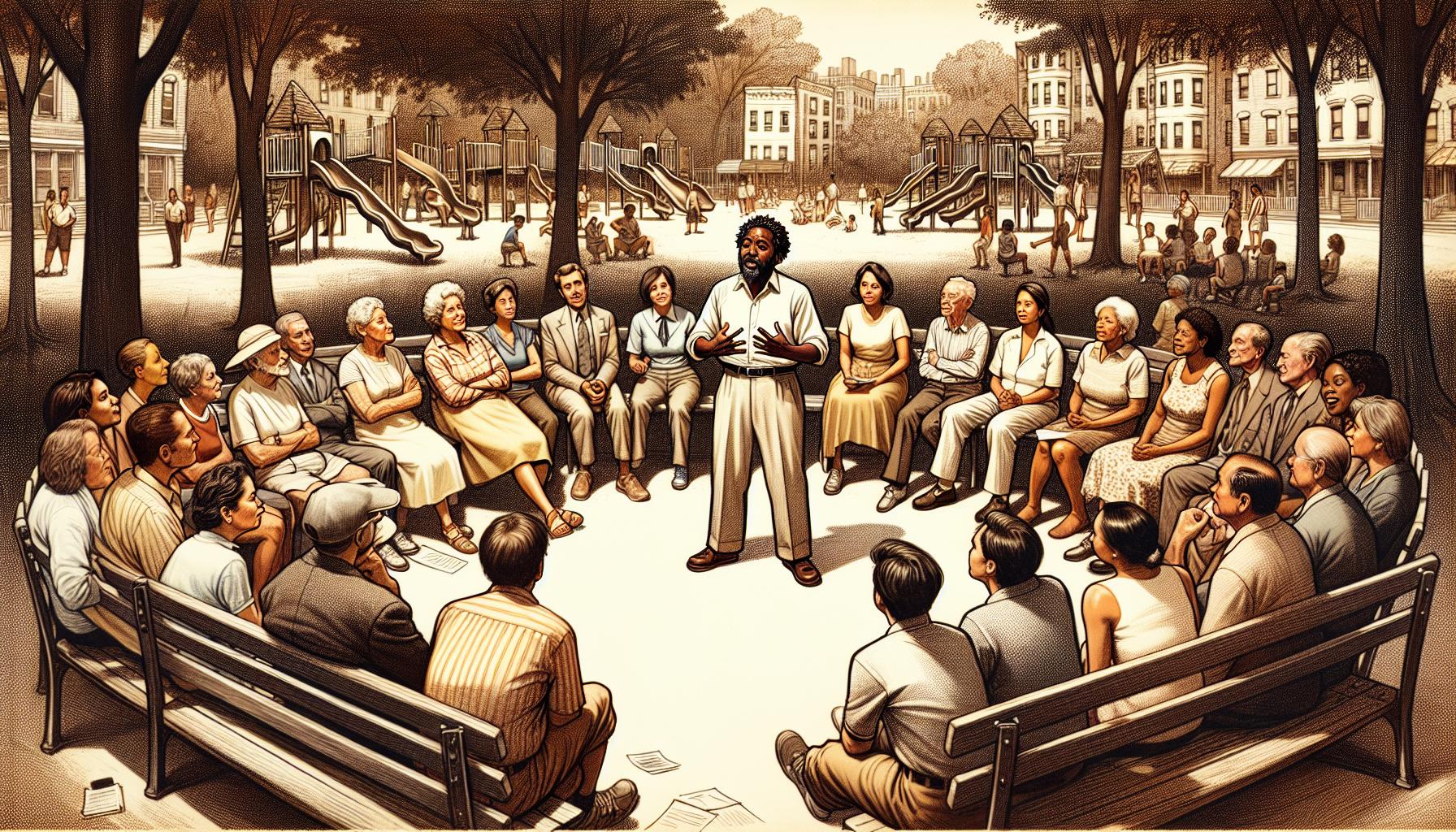
Civic leadership is at the heart of community development and social change. It embodies the spirit of individuals stepping up to inspire, engage, and mobilize others for the common good. Whether you’re a seasoned leader or just starting your journey, understanding civic leadership can empower you to make a meaningful impact in your community.
At its core, civic leadership involves taking responsibility for the welfare of your community and advocating for positive change. It’s about recognizing the challenges your community faces and working collaboratively to find solutions. This article will explore the essence of civic leadership, its key characteristics, and how you can become an effective civic leader, driving progress and fostering a sense of belonging among diverse groups.
What Is Civic Leadership?
Civic leadership focuses on taking responsibility for your community. It involves individuals who influence and motivate others to create positive changes. Civic leaders empower citizens to participate actively in community improvement efforts. They advocate for social justice, equality, and overall welfare in neighborhoods.
Key characteristics of civic leadership include:
- Vision: Successful civic leaders have clear goals for their community. They identify needs and define the direction for change.
- Engagement: You engage others in dialogue. Creating partnerships allows for collective action that benefits the entire community.
- Integrity: Honesty and transparency build trust. Civic leaders act ethically and responsibly, gaining respect and support from fellow citizens.
- Collaboration: Teamwork drives progress. Civic leaders work with various stakeholders, including local governments, organizations and residents, to achieve common goals.
- Advocacy: Advocating for community needs takes on many forms. Civic leaders promote policies that reflect the interests of their constituents, addressing issues such as poverty, education, and health care.
To become an effective civic leader, follow these steps:
- Identify Community Issues: Assess local needs and priorities. Gather information through surveys and community forums to understand what matters most.
- Build Relationships: Establish connections with community members and organizations. Strong networks enhance collaboration and amplify voices.
- Educate Yourself: Learn about local governance, policy-making, and social issues. Understanding the systems in place equips you to advocate effectively.
- Engage in Dialogue: Initiate conversations with community members. Listening to diverse perspectives fosters inclusivity and respect for all opinions.
- Organize Action: Create community events, workshops or campaigns to address identified issues. Mobilize resources to bring people together for a common cause.
- Advocate for Change: Use your voice to promote policy changes. Attend meetings or engage with decision-makers to push for needed reforms.
- Foster Resilience: Encourage ongoing participation and support for community initiatives. Resilient communities adapt and thrive despite challenges.
- Evaluate Impact: Assess the effectiveness of actions taken. Collect feedback and determine what works well and what requires adjustment.
Civic leadership plays a crucial role in fostering community well-being. By actively participating and influencing others, you can contribute to social improvement while building a stronger sense of belonging among diverse groups.
Understanding Civic Leadership
Civic leadership plays a crucial role in shaping communities. It involves individuals taking initiative to promote the welfare of others and facilitate positive change.
Definition of Civic Leadership
Civic leadership refers to the actions and responsibilities undertaken by individuals to improve their communities. It encompasses advocating for social issues and working collaboratively with others to make a difference. Civic leaders focus on community well-being and strive to engage citizens in problem-solving processes. Their influence can be seen in grassroots movements, local organizations, and public policy initiatives. You can identify civic leadership through traits such as vision, integrity, and a commitment to working with diverse groups, fostering a sense of belonging and empowerment among community members.
Importance of Civic Leadership
Civic leadership is essential for several reasons. First, it encourages active participation among community members, leading to informed decision-making. You can see how civic leaders mobilize people, inspiring them to engage in projects that address local needs. Second, civic leadership promotes collaboration between various sectors, including government, non-profits, and businesses, enhancing resource sharing and innovation. Third, it fosters resilience within communities by creating networks of support that can withstand challenges. Finally, civic leadership amplifies voices that may otherwise go unheard, ensuring that diverse perspectives shape the future of the community. Through effective civic leadership, communities can experience greater social cohesion and improved quality of life for all residents.
Key Characteristics of Civic Leaders
Civic leaders possess specific traits that enable them to drive community welfare and work towards positive change. Key characteristics include vision, initiative, community engagement, advocacy, and influence.
Vision and Initiative
Civic leaders maintain a clear vision. This vision revolves around the community’s needs and aspirations. Initiating proactive solutions becomes essential. You identify potential challenges and opportunities, setting goals that align with the community’s values. Leaders inspire others to join this vision through effective communication. You articulate ideas clearly and passionately, attracting support and mobilizing resources. By transforming visions into actionable plans, civic leaders create a roadmap for progress. Examples of this initiative include organizing local events or launching campaigns to address specific issues. Civic leaders foster a culture of forward-thinking, encouraging community members to contribute ideas and energy.
Community Engagement
Effective civic leaders prioritize community engagement. By fostering open dialogue, you create an inclusive environment. Listening to diverse voices demonstrates commitment to understanding different perspectives. You organize meetings, workshops, or online forums, inviting input on important topics. This engagement builds trust and strengthens community ties. Encouraging participation leads to informed decision-making and enhances collaboration among residents. Civic leaders also collaborate with local organizations and groups to amplify their efforts. By participating in joint initiatives, you expand the impact of community actions, fostering a sense of ownership among residents. This collective effort propels communities toward shared goals.
Advocacy and Influence
Civic leaders advocate for community needs. They ensure that these needs receive attention in public forums and policy discussions. You raise awareness about local issues, using various platforms such as social media and community events. This advocacy brings together individuals who share common concerns, creating a support network. By influencing local policies or rallying support for community projects, you amplify the community’s collective voice. Civic leaders often act as intermediaries between residents and local government, translating community needs into actionable policies. Successful examples include leading campaigns for improved public services or resources. Their dedication encourages others to get involved, fostering active citizenship and promoting community development.
The Role of Civic Leadership in Society
Civic leadership significantly impacts society by fostering community engagement and driving positive changes. This role is essential in addressing local needs and challenges.
Enhancing Community Development
Civic leadership enriches community development through active participation and resource mobilization. Civic leaders work with local organizations and government officials to identify essential community needs. They initiate projects that aim to improve infrastructure, education, health services, and public spaces. By doing this, civic leaders encourage investment in local initiatives, leading to enhanced overall quality of life. For instance, a civic leader may collaborate with neighborhood groups to create a community garden, which not only adds greenspace but also promotes healthier eating habits. Engaging diverse stakeholders fosters collaboration, builds trust, and strengthens community ties, ensuring that development efforts reflect the voices of residents.
Promoting Civic Participation
Civic leadership promotes civic participation by encouraging residents to engage in civic duties. Leaders inspire others to vote, attend town hall meetings, and participate in local decision-making processes. By organizing workshops and forums, civic leaders create platforms for open dialogue about community issues. This engagement activates citizens, motivating them to contribute their ideas and opinions actively. When residents feel valued and involved, they develop a stronger sense of belonging and responsibility toward their community. For example, a civic leader might host regular listening sessions where citizens discuss concerns and share solutions, leading to increased civic action and advocacy.
Addressing Social Issues
Civic leadership plays a critical role in addressing social issues such as poverty, education, and public health. Leaders advocate for policies that benefit marginalized communities and bring attention to pressing social concerns. They often collaborate with non-profit organizations and public agencies to develop programs that address specific needs. For instance, a civic leader may organize campaigns to provide resources for low-income families, ensuring access to necessary services. By raising awareness about social issues, civic leaders mobilize community members to take action, contributing to the development of a more just and equitable society. Through these efforts, civic leadership fosters an environment where everyone can thrive and engage in solutions to social challenges.
How to Develop Civic Leadership Skills
Civic leadership skills develop through education, community engagement, and building relationships. You can enhance your ability to inspire and mobilize others by focusing on specific areas.
Education and Training Opportunities
Education and training provide foundational knowledge for civic leaders. Participating in workshops and courses focused on public policy, community organizing, or social justice equips you with essential skills. Many universities and local organizations offer certificate programs in civic engagement and leadership training.
Consider joining organizations that focus on civic education, such as the National Civic League or local civic clubs. These organizations often conduct training sessions, seminars, and discussion panels. You also can explore online resources, including webinars and digital courses, available on platforms like Coursera or edX.
Learning about local governance and the political process also strengthens your understanding of community issues. Read books and articles on civic leadership to gain insights and strategies from experienced leaders. Engaging with educational content enables you to apply your knowledge effectively in real-world situations.
Volunteer and Community Service
Volunteering provides practical experience in civic leadership. Identifying local organizations that align with your interests allows you to engage directly with community needs. Whether working with non-profits, schools, or local government initiatives, your involvement demonstrates commitment to service.
Participating in community events or leading projects builds your skills and expands your network. Organize events that address specific issues, such as clean-up drives or food drives, to mobilize community members. Working alongside other volunteers fosters collaboration and enhances interpersonal skills.
Seek out leadership roles within organizations where you volunteer. Leading a team or chairing a committee develops your ability to guide others toward shared goals. Additionally, volunteering offers opportunities to learn about local policies and community dynamics.
Networking and Mentorship
Networking and mentorship play essential roles in developing civic leadership skills. Building relationships with established leaders in your community opens doors to learning and collaboration. Attend community meetings, civic forums, and networking events to connect with others in the field.
Seek mentorship from experienced civic leaders who can share their insights and experiences. A mentor can provide guidance on best practices and help you navigate challenges in your leadership journey. Look for mentorship programs through local civic organizations or educational institutions.
Additionally, joining professional associations related to your interests can enhance your network. Engage actively in discussions and contribute to collective efforts. By surrounding yourself with passionate individuals, you strengthen your commitment to community engagement and civic responsibility.
Challenges in Civic Leadership
Civic leadership faces several challenges that can hinder effective community engagement and leadership. Recognizing these challenges is essential for growth and improvement.
Common Obstacles Faced
- Limited Resources: Many civic leaders encounter restrictions in funding, staff, and materials. Lack of resources impacts project initiation and sustainability.
- Community Resistance: Resistance from community members often arises when proposing new ideas or changes. Skepticism may stem from past experiences or fear of change.
- Political Barriers: Navigating political landscapes presents challenges. Conflicts with local governments and differing political ideologies can complicate advocacy efforts.
- Time Constraints: Civic leaders often juggle multiple responsibilities, leading to limited time for civic activities. Balancing work, family, and community involvement strains leaders’ effectiveness.
- Communication Issues: Miscommunication can occur between leaders and community members. Different perspectives and language barriers may prevent effective dialogue.
Strategies to Overcome Challenges
- Leverage Community Networks: Building strong relationships within the community enhances support and resource sharing. Collaborating with local organizations can amplify initiatives.
- Encourage Open Dialogue: Facilitate discussions that allow community members to voice concerns. Active listening helps stakeholders feel valued and engaged in the process.
- Develop Clear Messaging: Create succinct and transparent communication regarding ideas and goals. Clear messaging fosters understanding and reduces resistance.
- Seek Diverse Funding Sources: Explore grants, partnerships, and fundraising events. Diversifying financial support ensures resources are available for community projects.
- Practice Time Management: Prioritize tasks and delegate responsibilities when possible. Utilizing tools and techniques for efficient time management increases productivity.
Success Stories in Civic Leadership
Civic leadership thrives through examples of impactful individuals and initiatives. These stories illustrate how passion for community can bring about meaningful change.
Notable Civic Leaders
Barack Obama launched his civic leadership with grassroots organizing in Chicago. His work focused on community issues like housing and employment. Through engaging with residents, he built coalitions that advocated for change.
John Lewis, a civil rights leader, showcased civic leadership through activism and advocacy. Lewis led marches and sit-ins for racial equality. His dedication inspired generations to fight for justice and civic rights.
Angela Glover Blackwell, founder of PolicyLink, transformed civic discourse around equity. Her leadership emphasizes intersectionality in policy-making, advocating for all communities. She champions issues that uplift marginalized voices in civic discussions.
Impactful Civic Leadership Projects
The Community Development Financial Institutions Fund (CDFI) enhances economic opportunities through local financial institutions. CDFIs provide loans and services to underserved communities, fostering economic growth and job creation. This initiative demonstrates how effective civic leadership can cultivate local economies.
The Harlem Children’s Zone focuses on education and community support. This initiative combines resources in education, health, and family services to break the cycle of poverty. By adopting a comprehensive approach, it empowers families and encourages educational achievement.
The Neighborhood Assistance Corporation of America (NACA) assists low- and moderate-income families with homeownership. NACA’s advocacy for affordable housing enables financial literacy and community education. It represents an effective model of how civic leaders can address housing inequality directly.
Conclusion
Civic leadership is a vital force for community empowerment and social progress. By stepping up to advocate for change and engage others, you can help shape a brighter future for your community. The qualities of effective civic leaders—vision, integrity, and collaboration—serve as a blueprint for anyone looking to make a difference.
Embracing the challenges and opportunities within your community can lead to transformative outcomes. As you develop your civic leadership skills, remember that every action counts. Your commitment to fostering dialogue and mobilizing resources can create lasting impacts that resonate for generations to come. So take the initiative and become the leader your community needs.
Frequently Asked Questions
What is civic leadership?
Civic leadership refers to the responsibility individuals take to improve their community and advocate for positive change. It involves inspiring and mobilizing others, fostering collaboration, and addressing community needs to enhance the overall well-being of residents.
Why is civic leadership important for community development?
Civic leadership is crucial for community development as it encourages active participation, promotes collaboration, and amplifies diverse voices. By advocating for social issues and mobilizing resources, civic leaders help create a more just and equitable society, ultimately improving the quality of life for all.
What are the key characteristics of effective civic leaders?
Effective civic leaders possess a clear vision, engage with their communities, demonstrate integrity, foster collaboration, and advocate for community needs. These characteristics allow them to inspire others, facilitate dialogue, and influence local policies for positive change.
How can someone become a civic leader?
To become a civic leader, individuals should identify community issues, educate themselves about local governance, engage in dialogue, and build relationships. Participating in workshops and volunteering can also enhance skills necessary for effective leadership and social advocacy.
What challenges do civic leaders face?
Civic leaders often encounter challenges, such as limited resources, community resistance, political barriers, and time constraints. Recognizing these obstacles is essential for growth, and strategies like leveraging networks and encouraging dialogue can help overcome them.
Can you provide examples of successful civic leaders?
Notable civic leaders include Barack Obama, John Lewis, and Angela Glover Blackwell, who made significant contributions through advocacy and activism. Their work demonstrates the powerful impact civic leadership can have on community development and social change.
How do civic leaders address social issues?
Civic leaders address social issues by advocating for policies that benefit marginalized communities and collaborating with local organizations. By raising awareness and mobilizing community members, they work to create solutions for challenges such as poverty, education, and public health.
Ready to transform your leadership? Reach out to Courageous Leadership now. Email us at: info@courageousleadership.com or call +1-864-416-1657 for personalized solutions.